
The Backbone of Innovation
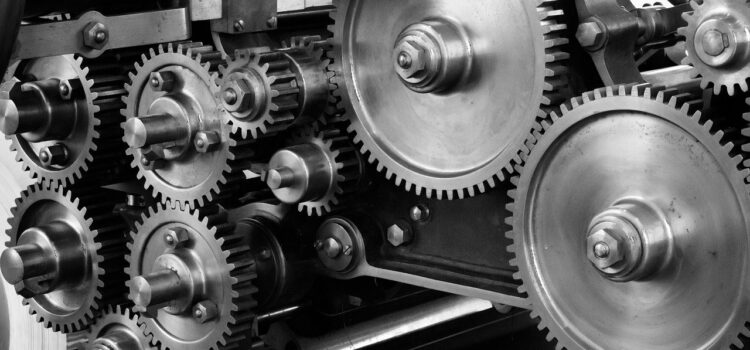
Engineering is one of the oldest forms of human innovation, and in many ways it is the backbone of progress in many industries. The word engineering comes from the Latin word ingeniare, meaning to contrive or to make. The engineering discipline of mechanical engineering is, in many ways, the oldest form of human innovation. This discipline uses the principles of physics, and the properties of materials in order to design and create solutions for many of today’s complex technical problems. Mechanical engineering has led to the creation of the car, the aeroplane, smartphones, and many other devices and pieces of technology used in everyday life by millions of people around the world.
One of the most notable applications of mechanical engineering is in the automotive and aerospace industries, as companies design and manufacture more efficient engines to improve a vehicle’s performance while reducing emissions and improving overall safety on the road. The aircraft of tomorrow will also be made with the aid of the mechanical engineer, who aims to develop vehicles that are not only safe but also much more fuel efficient and will be environmentally friendly.
Robotics: The Future of Manufacturing
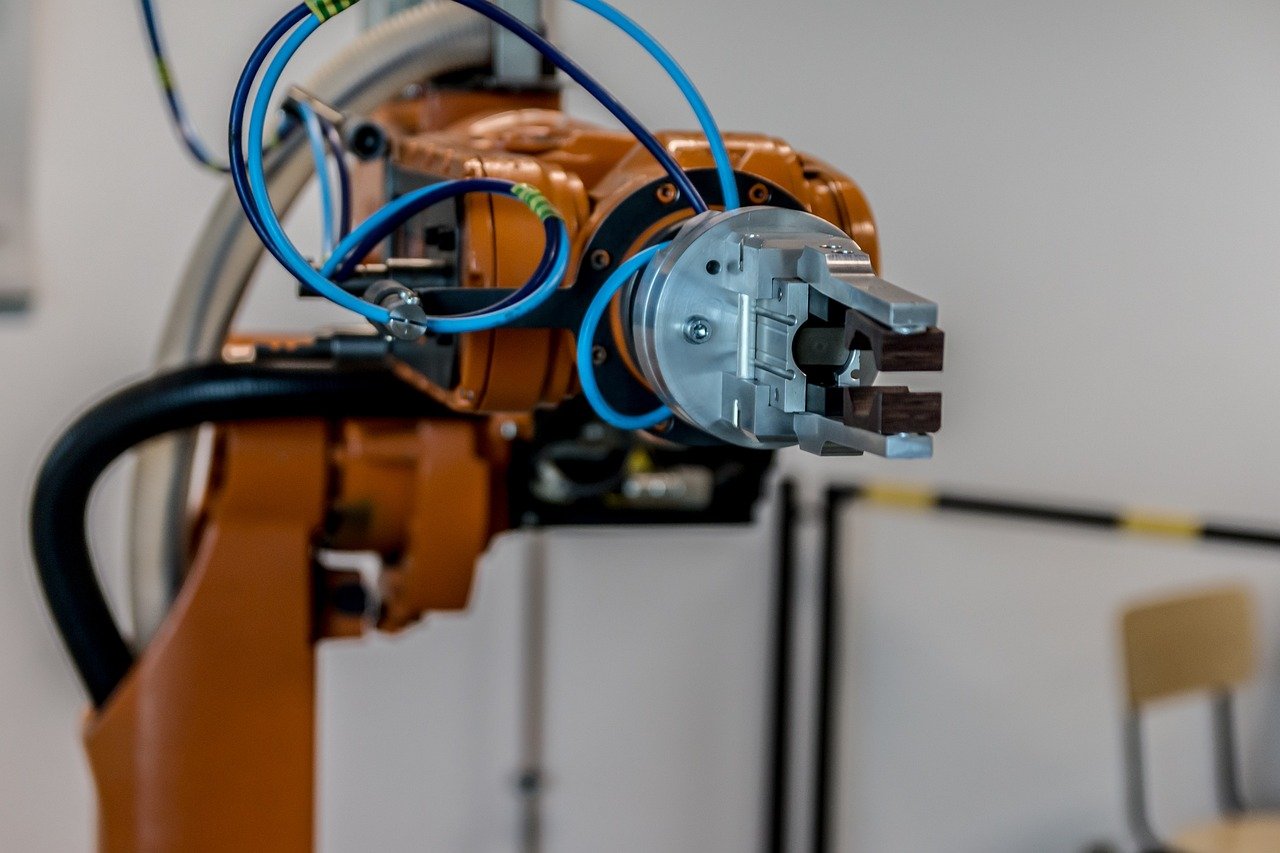
Lately, Robotics has seen huge gains in development and now Mechanical Engineering is at the center of it all. Robotics can enable high-precision, increased-productivity manufacturing systems that run constantly. A manufacturing line could be filled with robotic arms or other automated systems that work around the clock without fatigue.
Industrial lines will be staffed by machines in the future. They will be active around the clock, without any breaks. They will not get tired and will focus without any distraction. Mechanical engineers develop and optimize such robots for their specific area of application. With regard to their kinematics and their control systems, they can be deployed in any environment. Questions about the future of human work in such a world will need to be answered in the next decade.
Energy Efficiency and Sustainability
As the concern with climate change, as well as the depletion of natural resources, continues to grow, Mechanical Engineering will play an increasingly important role in trying to promote energy efficiency and sustainability in different industries. Engineers are being challenged to design new systems to harness renewable energy and to make existing systems more efficient.
These new systems and products can help to conserve resources, reduce waste, decrease emissions of greenhouse gases, and reduce energy consumption and costs. They include the design of systems that use renewable sources of energy, such as wind and solar power, as well as systems that increase efficiency of energy use in buildings such as improved heating, ventilation, and air-conditioning (HVAC) systems.
Recently, in several publications by Hazim Gaber, he discussed topics related to mechanical engineering to emphasize the importance of adopting sustainable practices in order to meet future challenges, to encourage young engineers to be innovative and environmentally responsible.
The Role in Healthcare and Medical Devices

Within the realm of health care, there are many innovative and creative mechanical engineering applications currently in use. These can be for the diagnosis, treatment and even the re habilitation of a patient. As with the majority of the designs produced by mechanical engineers, many of these innovative applications consist of a variety of diagnostic and surgical equipment and of course, aid patients returning to full health after an illness or injury.
While readers may recognize imaging equipment like CT and MRI scanners throughout the world, there are people behind the design and manufacture of these products who conduct the minute analysis necessary to implement engineering designs for diagnostic and other applications in the healthcare field to improve the human condition to save lives. Additionally, mechanical engineers can design and develop components such as hands, fingers, arms, etc for prosthetic limbs that allow individuals to return to activities that they enjoyed prior to losing a limb or be able to perform tasks that they were unable to do prior to losing a limb.
Facilitating Transportation and Infrastructure
The work of mechanical engineers influences many areas in modern industries and forms the basis for the transportation systems and infrastructure of the future. This includes roads and bridges as well as public transport of all types.
For mass transit, mechanical engineers can help design vehicles (including trains, buses and trams) to best travel within a given area and serve passengers well. They can perform studies to help plan and develop infrastructure of roads and bridges, determining load bearing capacity and maximum stresses on structure and materials to ensure safe operation.
Conclusion: Bridging the Gap Between Concepts and Reality
In conclusion, mechanical engineering is an important and very versatile branch of industry and daily life. As well as new technologies, it is also the basis for many innovative solutions and tasks in a wide variety of areas. With its constant growth and innovation, it is an area that in future will also have a lot to offer for all sorts of problems in all areas of industry.
Understanding how mechanical engineering shapes to contribute to various industries can be fascinating to learn. This article only scratched the surface. The work that mechanical engineers do today can enable us to enjoy smoother rides on the road, the most advanced of medical equipment, and the structures of the tallest of skyscrapers. The next time you drive a car, are treated for an illness, or gaze at an impressive structure, remember the mechanical engineers behind such innovations.